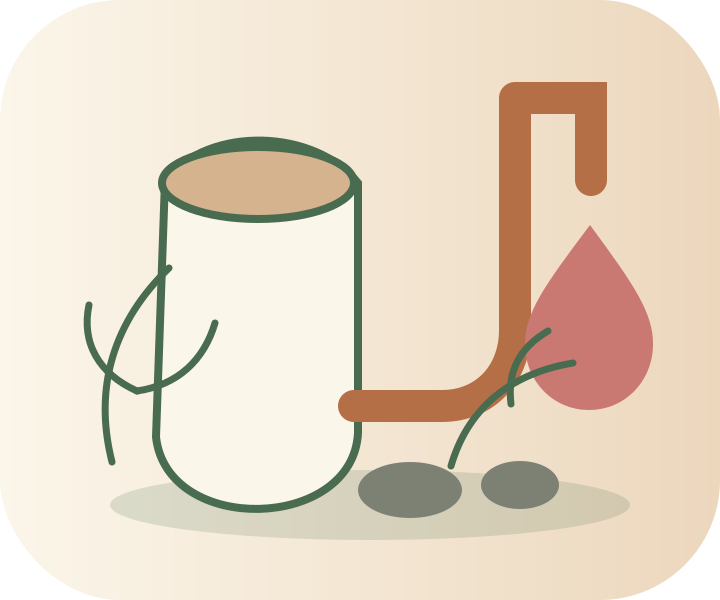
Hot and cold supplies, drain joints, a disposal, dishwasher hose, filter, and faucet connections share a small cabinet. The floor puddle is not the source.
DECISION GUIDE 16
Make the next action fit the evidence
Use the condition described here to narrow the first safe action, the responsible contact, and the written authorization.
Do not pay for certainty that the observable pattern does not support.
OBSERVE
Preserve the useful clues
Dry accessible parts and observe whether the first wet point appears while idle, with the faucet running, while draining, or during appliance discharge.
Write the time, fixture, room, and use that preceded the change.
Photograph the wider context before taking a detail view.
Keep model labels, bills, prior repair records, and test results together.
CONTAIN
Choose the safe boundary
Do not add sealant over wet joints or pull a heavy appliance across its hoses. Keep clear of wet electrical connections.
Containment should reduce harm without erasing evidence or transferring risk to gas, electricity, wastewater, finishes, or utility equipment.
AUTHORIZE
Put the first scope in writing
List every included valve, connector, strainer, trap, disposal joint, appliance branch, cabinet access, test, and restoration exclusion.
Ask what is included, excluded, and still unknown.
Set the price or authorization boundary before work expands.
Define the test or record that will show completion.
Santa Rosa Waterwise Studio is an independent lead-generation website, not a plumbing contractor. Calls may connect you with an independent service provider. Confirm the provider's identity, Santa Rosa coverage, license, insurance, availability, pricing, and terms directly.